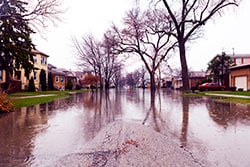
Flooding can occur because of cyclone,typhoon,sea storm,tsunami,blocked sewerage system and heavy rain etc.
Here are some precautions which are recommended by CDC and other international agencies...
You should adopt new ideas as per your local flooding situation,climatic conditions,temperature and layout of your house along with terrain.
Take these important steps to reduce the harm caused by flooding.
Each year, more deaths occur due to flooding than any other hazard related to thunderstorms. The most common flood deaths occur when a vehicle is driven into hazardous flood water. Fortunately, you can take steps to protect yourself, your family, and your home.
 After you return home, if you find that your home was flooded, practice safe cleaning.
During a Flood Watch or Warning
- Gather emergency supplies.
- store baby food in waterproof container for your babies.
- Ensure to store sufficient medicines which you or your family members are taking.
- Have some water cleaning tablets like chlorine tablets etc for making water drinkable.However,do it in emergency only.Chlorine does not remove impurities,it can kill germs only.
- Listen to your local radio or television station for updates.
- Have immunization records handy (or know the year of your last tetanus shot).
- Store immunization records in a waterproof container.
- Prepare an emergency food and water supply. Store at least 1 gallon of water per day for each person and each pet. Store at least a 5-days supply.
- Bring in outdoor possessions (lawn furniture, grills, trash cans) or tie them down securely.
- If evacuation appears necessary: turn off all utilities at the main power switch and close the main gas valve.
- Leave areas subject to flooding: low spots, canyons, washes, etc. (Remember: avoid driving through flooded areas and standing water.)
After you return home, if you find that your home was flooded, practice safe cleaning.
After Flooding Occurs
- Avoid driving through flooded areas and standing water. As little as six inches of water can cause you to lose control of your vehicle.
- Do not drink flood water, or use it to wash dishes, brush teeth, or wash/prepare food. Drink clean, safe water.
- If you evacuated: return to your home only after local authorities have said it is safe to do so.
- Listen to water advisory from local authorities to find out if your water is safe for drinking and bathing.
- During a water advisory, use only bottled, boiled, or treated water for drinking, cooking, etc.
- When in doubt, throw it out! Throw away any food and bottled water that comes/may have come into contact with flood water.
- Prevent carbon monoxide (CO) poisoning. Use generators at least 20 feet from any doors, windows, or vents. If you use a pressure washer, be sure to keep the engine outdoors and 20 feet from windows, doors, or vents as well.
Loading ad...
Flooding can occur because of cyclone,typhoon,sea storm,tsunami,blocked sewerage system and heavy rain etc.
Here are some precautions which are recommended by CDC and other international agencies...
You should adopt new ideas as per your local flooding situation,climatic conditions,temperature and layout of your house along with terrain.
Take these important steps to reduce the harm caused by flooding.
Each year, more deaths occur due to flooding than any other hazard related to thunderstorms. The most common flood deaths occur when a vehicle is driven into hazardous flood water. Fortunately, you can take steps to protect yourself, your family, and your home.
After you return home, if you find that your home was flooded, practice safe cleaning.
During a Flood Watch or Warning
- Gather emergency supplies.
- store baby food in waterproof container for your babies.
- Ensure to store sufficient medicines which you or your family members are taking.
- Have some water cleaning tablets like chlorine tablets etc for making water drinkable.However,do it in emergency only.Chlorine does not remove impurities,it can kill germs only.
- Listen to your local radio or television station for updates.
- Have immunization records handy (or know the year of your last tetanus shot).
- Store immunization records in a waterproof container.
- Prepare an emergency food and water supply. Store at least 1 gallon of water per day for each person and each pet. Store at least a 5-days supply.
- Bring in outdoor possessions (lawn furniture, grills, trash cans) or tie them down securely.
- If evacuation appears necessary: turn off all utilities at the main power switch and close the main gas valve.
- Leave areas subject to flooding: low spots, canyons, washes, etc. (Remember: avoid driving through flooded areas and standing water.)
After you return home, if you find that your home was flooded, practice safe cleaning.
After Flooding Occurs
- Avoid driving through flooded areas and standing water. As little as six inches of water can cause you to lose control of your vehicle.
- Do not drink flood water, or use it to wash dishes, brush teeth, or wash/prepare food. Drink clean, safe water.
- If you evacuated: return to your home only after local authorities have said it is safe to do so.
- Listen to water advisory from local authorities to find out if your water is safe for drinking and bathing.
- During a water advisory, use only bottled, boiled, or treated water for drinking, cooking, etc.
- When in doubt, throw it out! Throw away any food and bottled water that comes/may have come into contact with flood water.
- Prevent carbon monoxide (CO) poisoning. Use generators at least 20 feet from any doors, windows, or vents. If you use a pressure washer, be sure to keep the engine outdoors and 20 feet from windows, doors, or vents as well.
